


What Is a Tamada?
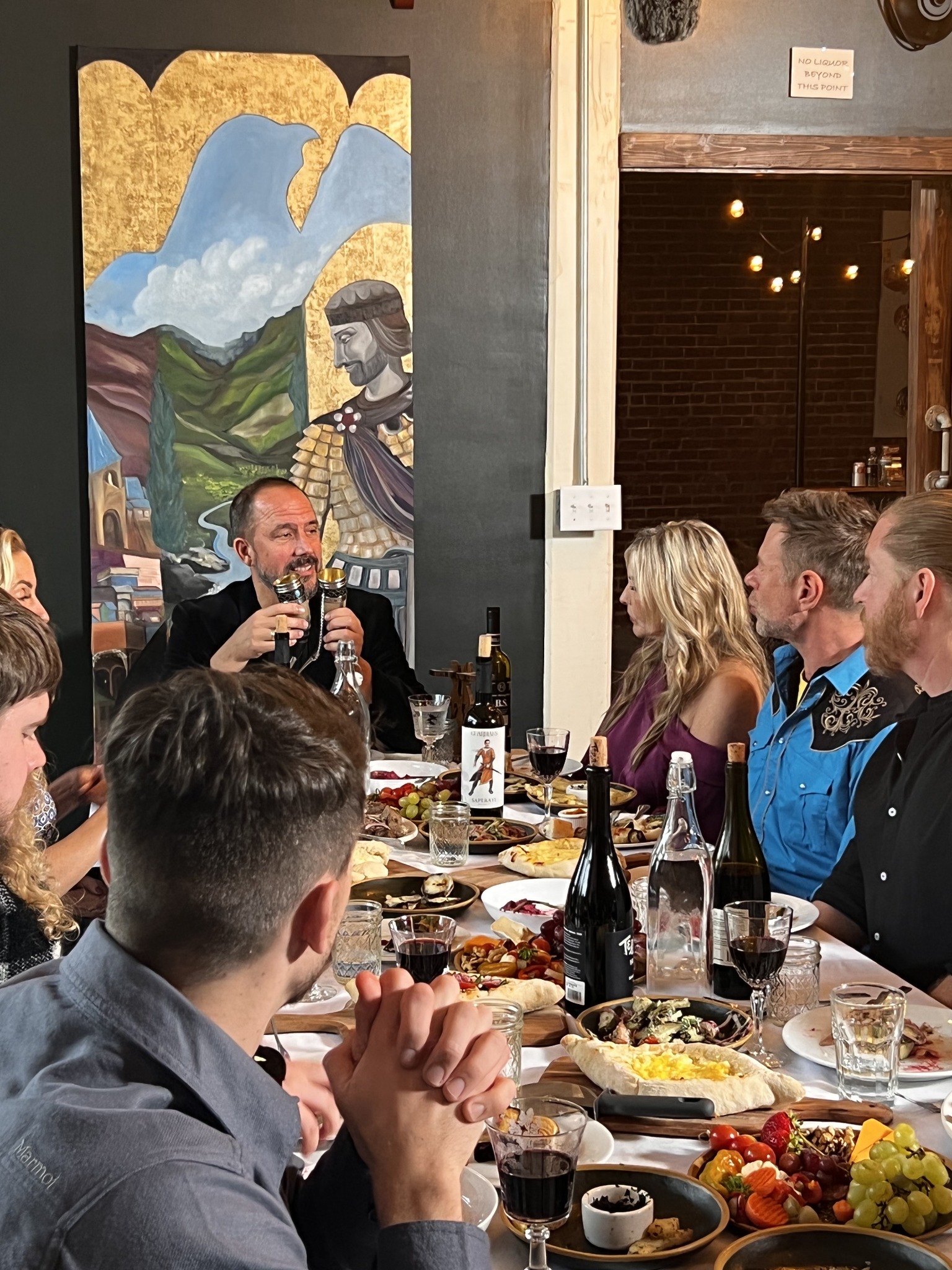
A Tamada leads the toasts at a Georgian Supra, reading the room, gathering the table around shared themes and making space for guests to answer in their own words.
A Tamada is the toast leader of a Georgian Supra. “Toastmaster” is the usual English shorthand, but the job is larger than announcing speeches. The Tamada helps give the feast its order: introducing themes, reading the room, listening to the guests and knowing when to let a story breathe and when to bring the table back together.
If you are new to the form, start with What Is a Supra? Then come back here for the role at the center of the table.
What does a Tamada actually do?
At a Supra, food and conversation continue around the table. From time to time, the Tamada gathers everyone around one shared theme. The Tamada might raise friendship, gratitude, parents, peace, the people who are absent, or something particular to the occasion, then speak first and make room for others to answer in their own words.
The art is not simply having a list of toasts. A strong Tamada pays attention: noticing when the room is ready to listen, when someone has more to say, when the table needs gravity and when it needs relief. The Tamada keeps the feast moving without becoming the point of the feast.
The Tamada is not the Host
The Host opens the place and gathers the people. The Host knows why the guests are there and receives them well.
The Tamada serves that table by leading the toasts and tending the rhythm of the feast.
Sometimes one person may carry more than one responsibility. At American Supra tables, we often separate the jobs so the Host can receive the guests while the Tamada concentrates on leading the table.
Thinking about gathering your own people? See how to host a Supra.
Is there a fixed order of Georgian toasts?
There are enduring themes and traditions, but American Supra does not teach one rigid list as though every Georgian table follows an identical script. Families, regions, occasions and Tamadas differ.
At our tables, the Tamada works with themes that fit the people and the occasion. The point is not to race through a checklist. The point is to help a room of separate people become one table for a while.
Does everyone have to give a speech?
No. A guest does not need a prepared speech. Listen. If a toast brings a person, memory or gratitude to mind, you can offer a few words. You can also simply listen.
Wine is traditional to the Supra, but a guest who does not drink alcohol can participate fully with water or another nonalcoholic drink.
What makes a good Tamada?
The craft asks for memory, judgment, attention, humor, courage and practice. The Tamada has to speak and listen, with enough confidence to guide the room and enough restraint to give the room away.
That is why American Supra treats the role as a craft learned around real tables rather than a title someone claims after reading a guide.
How do you learn to become a Tamada?
American Supra is building the Tamada Vineyard as a home for people who want to learn the craft and for experienced Tamadas who want to keep growing. Formation leads back to practice: real people, real tables, real judgment.
Where did the role come from?
The Tamada belongs to the Georgian Supra tradition. American Supra received the form as guests in Georgia through the work of First Things Foundation and now practices it in American settings without pretending America is Georgia.
Our aim is to carry the hospitality and the form faithfully enough to learn from them, while being clear about what is Georgian inheritance and what is our own practice in the places before us. You can also follow stories from the table as that practice takes shape.
Continue reading
You might like
The Host and the Tamada: Two Different Jobs at One Table
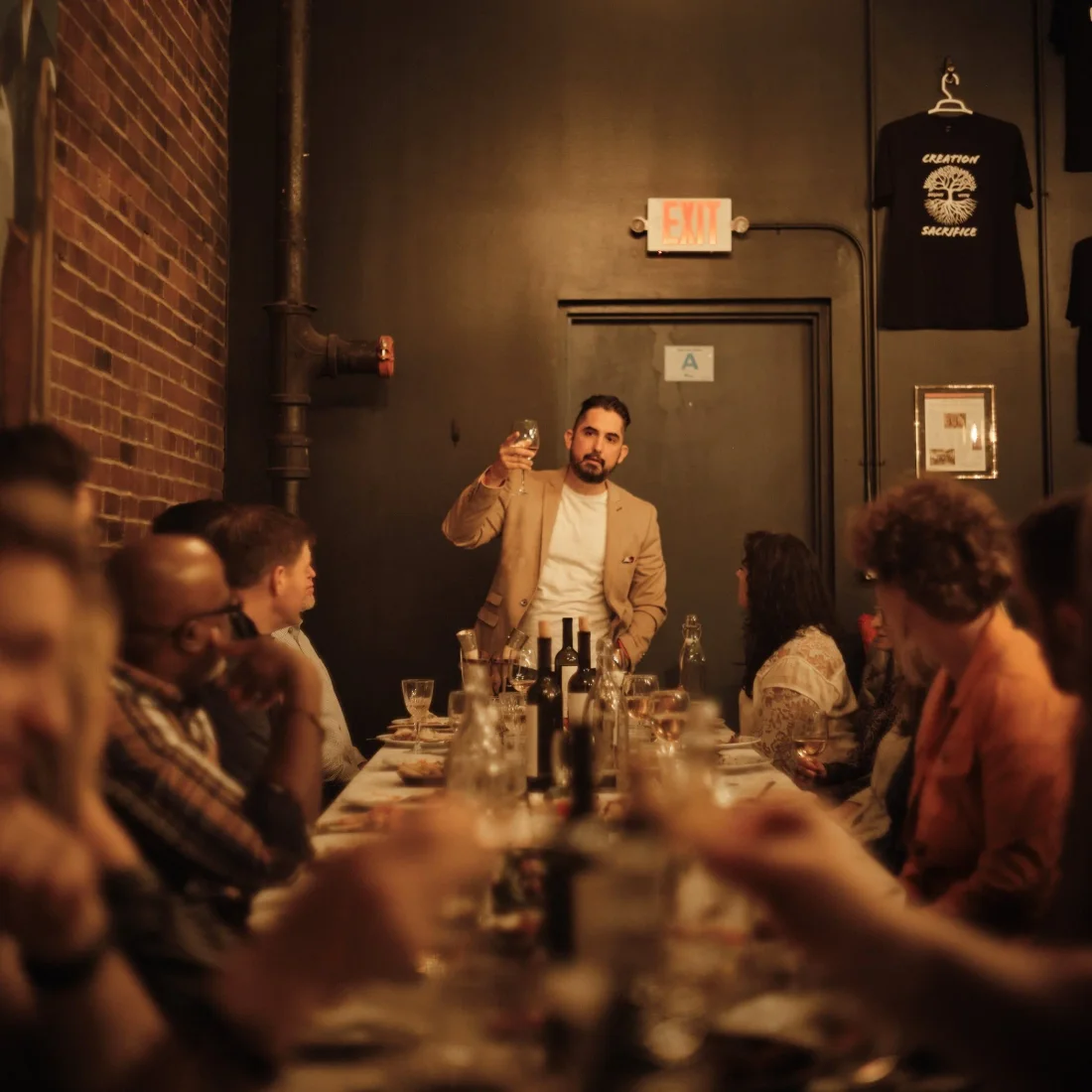
The Host opens the place. The Tamada leads the toasts. Understanding the difference makes a Supra easier to host and easier to enter.
Your First Supra: What to Expect at the Table
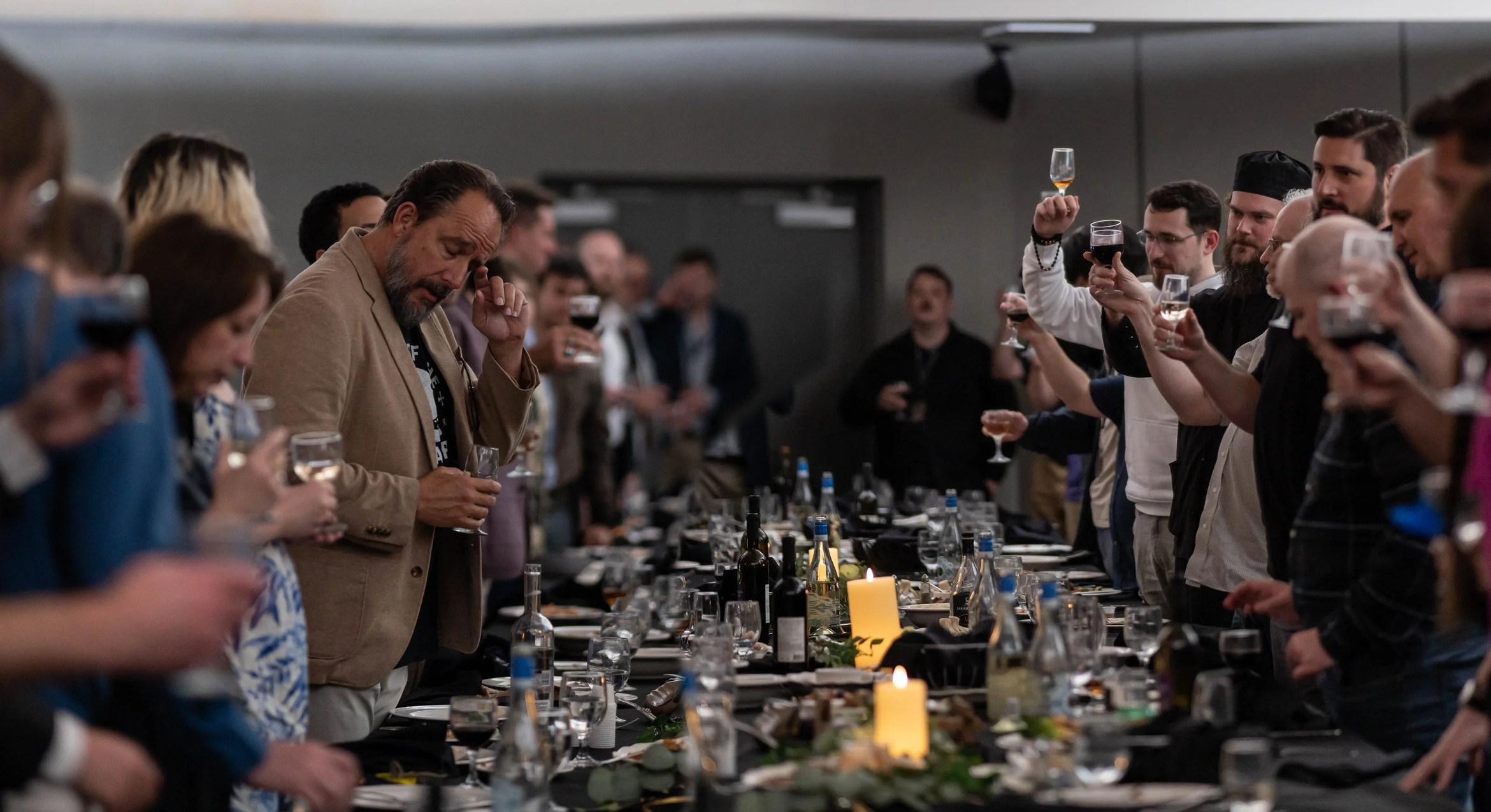
New to Supra? Here is what a guest can expect from the food, toasts, Tamada, conversation and participation at an American Supra table.
Georgian Toasts at a Supra: Themes, Stories and the Tamada
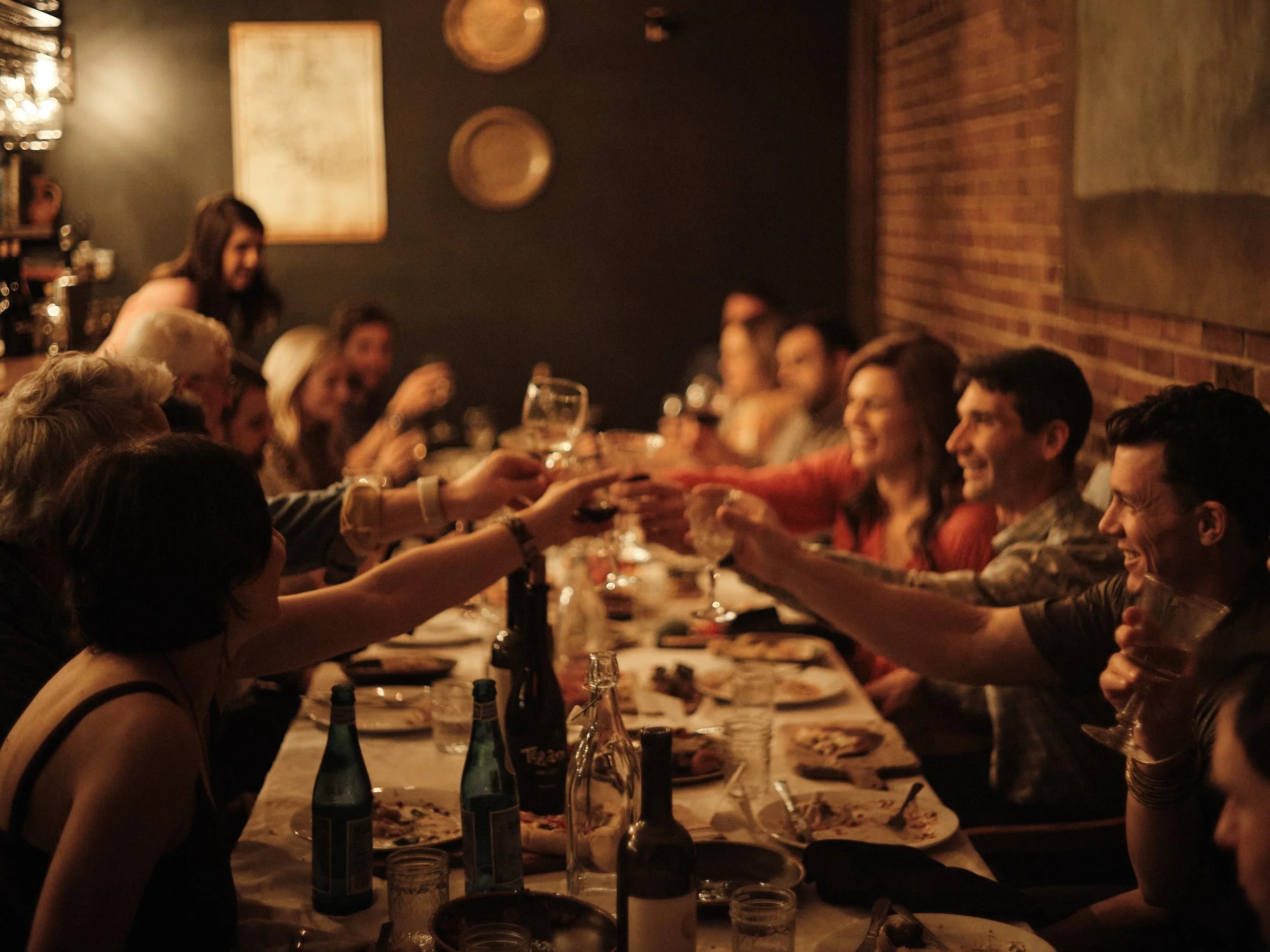
Georgian Supra toasts are more than speeches. Learn how the Tamada introduces themes, how guests answer and why the table listens together.